

Food Pairing
Experimenting with beer and food pairings unlocks new flavor dimensions in both, creating a richer and more memorable dining experience.
Basic Pairing Principles
Pairings by Food Category
Tips from Baltika's Brewers
Keep the Balance

Keep the Balance
The goal is not to overwhelm the palate, but to create a harmonious pairing where the flavors of the beer and the food complement one another.
Create Harmony Between Food and Beer
Create Harmony Between Food and Beer
The flavors of the beer and the dish should work in harmony. If a dish is rich and intensely flavored, choose a beer with a more pronounced character so that it stands up to the food. Beer can either complement or contrast with a dish, creating exciting flavor combinations. For example, subtle sweetness in beer can soften spicy flavors, while hop bitterness helps cut through rich, fatty foods.
Beer Should Be Equally Sweet or Sweeter
Beer Should Be Equally Sweet or Sweeter
The perception of beer is influenced by the amount of sugar in a dessert. If a dessert is significantly sweeter than the beer, the dessert will taste even sweeter, while the beer will seem drier, more bitter, and more acidic. The pairing becomes unbalanced, preventing both the beer and the dessert from being fully appreciated.
Pairings by Beer Style
Pale Lagers
Pilsner
Helles
Kölsch
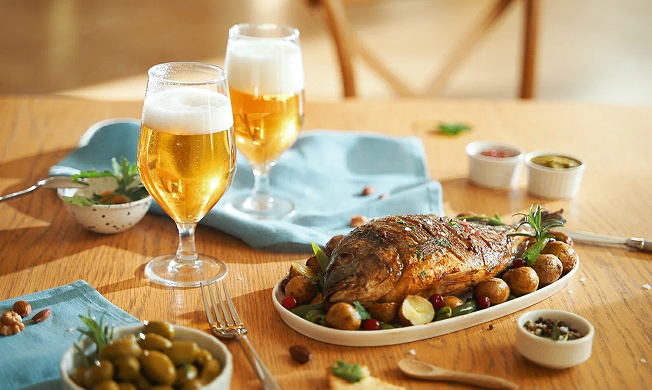
Lagers and pilsners have a clean, refreshing character that pairs well with lighter dishes without overwhelming the palate.
Flavor Profile:
Light, crisp, and refreshing with moderate bitterness.
Appetizers:
Salted pretzels, mild cheeses (such as fresh mozzarella), and crispy snacks.
Main Courses:
Grilled chicken, salads with citrus notes, and fish dishes (especially fried fish or fish tacos).
Desserts:
Light fruit desserts such as sorbets and citrus tarts.
Wheat Beers
Hefeweizen
Witbier
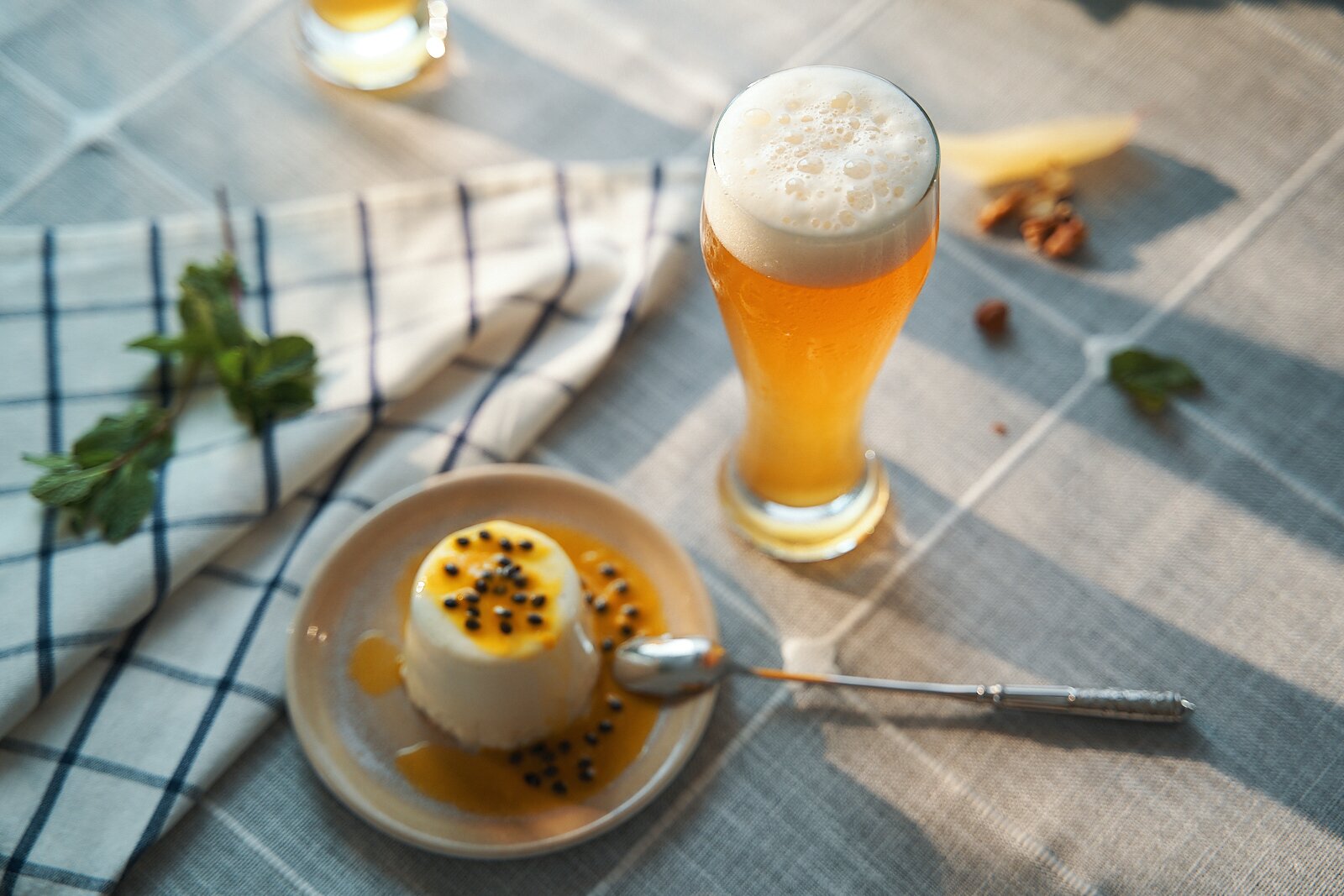
The fruity and spicy notes of wheat beers enhance similar aromas in food, creating fresh and harmonious pairings.
Flavor Profile:
Banana and clove notes with delicate acidity.
Appetizers:
Goat cheese, salads with oranges and nuts.
Main Courses:
Chicken or pork served with fruit sauces, seafood such as mussels, and dishes featuring citrus and aromatic spices.
Desserts:
Banana bread, cinnamon pastries, and fruit pies.
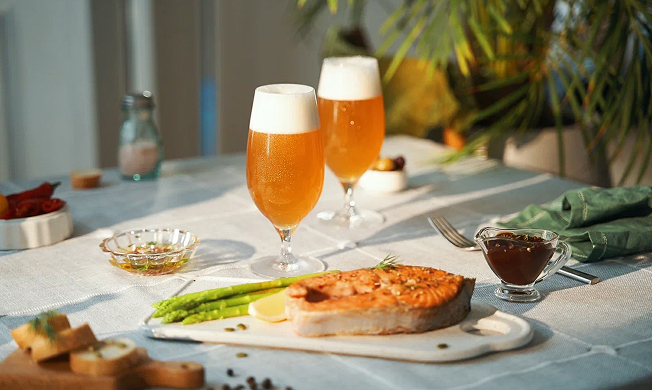
Ales & IPA
The hop bitterness of IPA balances spicy and intensely flavored dishes, adding a refreshing contrast.
Flavor Profile:
Pronounced hop bitterness with notes of citrus and tropical fruit.
Appetizers:
Buffalo wings, mozzarella sticks with spicy sauces, and savory spiced snacks.
Main Courses:
Spicy Indian or Mexican dishes such as curry or burritos with guacamole, as well as burgers with bold sauces.
Desserts:
Hop-infused ice cream or desserts featuring caramel and citrus flavors.
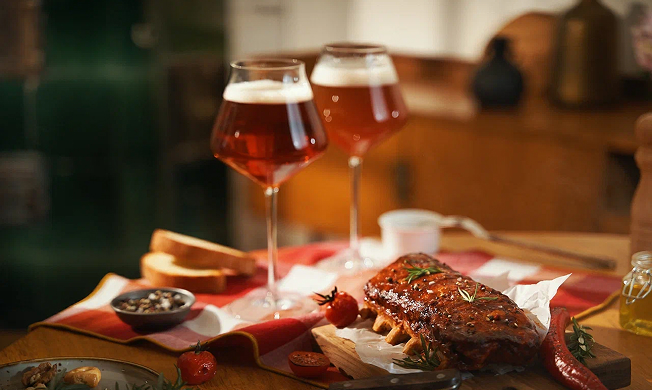
Stouts & Porters
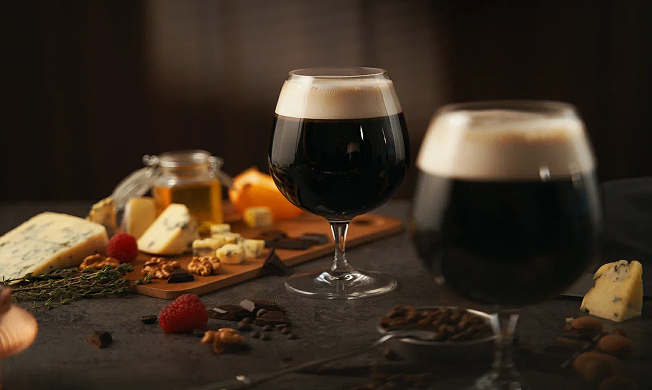
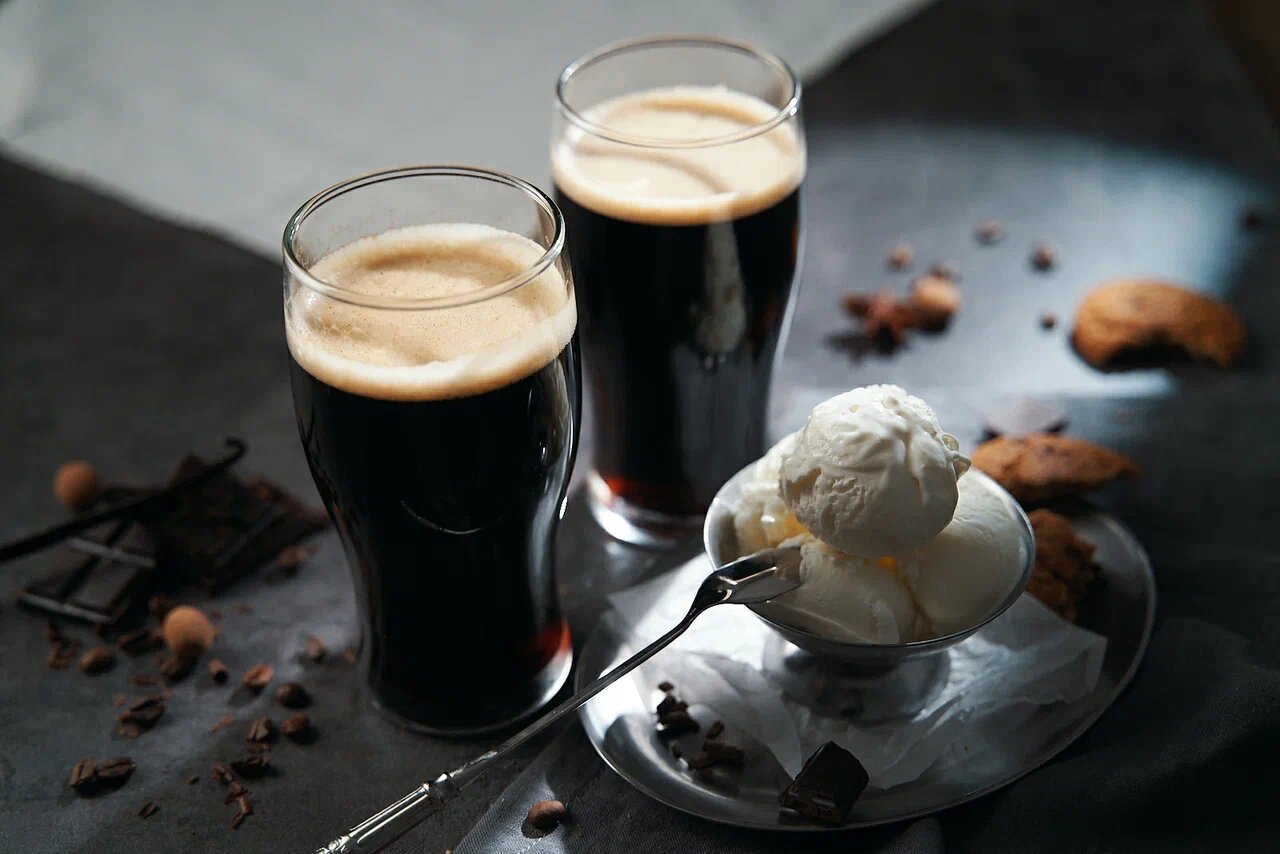
The rich, full-bodied character of stouts and porters complements hearty meat dishes and chocolate desserts, creating deep and satisfying flavor contrasts.
Flavor Profile:
Coffee, chocolate, and caramel notes with a full body.
Appetizers:
Aged and spicy cheeses, roasted nuts, and smoked meats.
Main Courses:
Grilled meats (steaks and ribs), braised beef, and dishes with mushrooms and rich sauces.
Desserts:
Chocolate cakes, brownies, and coffee- or nut-based desserts.