


Our Agricultural
Program
Baltika's Barley and Malt Program
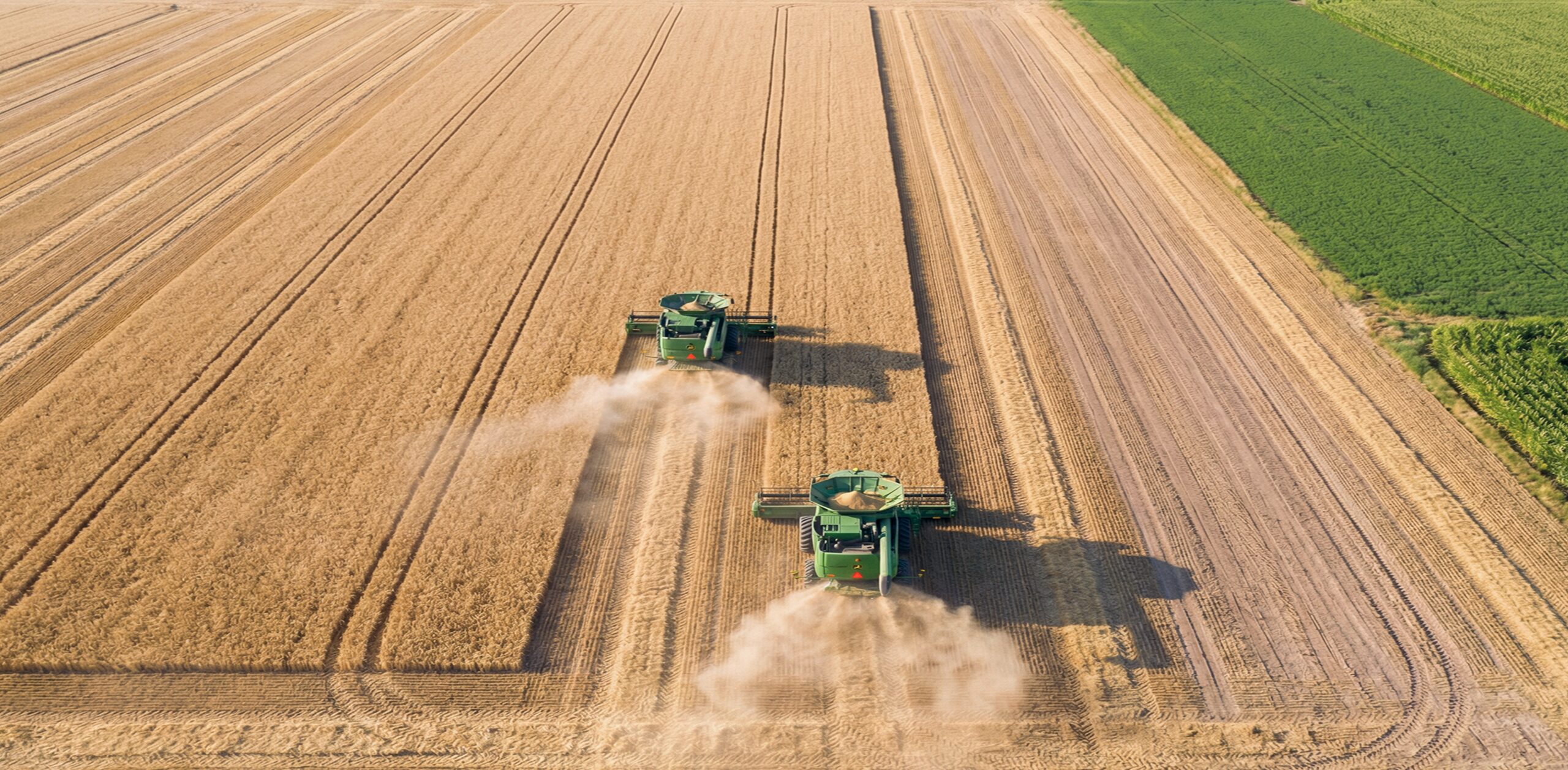
Baltika produces almost 100% of its malt from brewing barley grown in Russia. The Company is supplied through its agricultural program, launched in 2005 specifically to support the cultivation of high-quality malting barley.
Where Barley Is Grown
Malting barley for Baltika is cultivated by agricultural enterprises across 10 Russian regions:
Tambov Region
Penza Region
Voronezh Region
Oryol Region
Ryazan Region
Yaroslavl Region
Lipetsk Region
Ulyanovsk Region
Tula Region
Ivanovo Region
Kursk Region
Moscow Region
Nizhny Novgorod Region
Novosibirsk Region
Rostov Region
Altai Krai
For each region, Baltika's specialists select barley varieties with the best agronomic performance and malt quality. These selections are based on laboratory analysis and brewing trials conducted at the Company's own pilot brewery.

Barley and Malt Quality Control
At the Company's experimental station in the Tula Region, specialists conduct field trials of new malting barley varieties using high-quality, reduced-nitrogen fertilizers. The best-performing varieties are then introduced to the Russian agricultural enterprises participating in Baltika's agricultural program.
300,000 tonnes
This annual barley harvest enables the Company to remain independent of imported supplies.
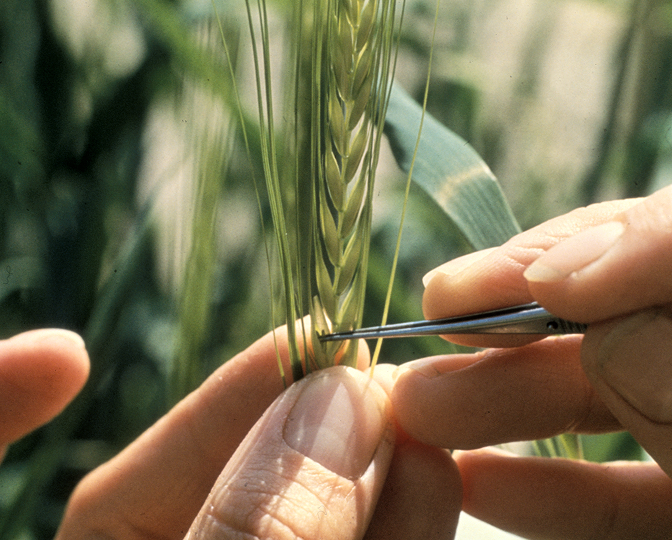
As a result, Russian agricultural producers receive high-quality barley varieties adapted to the soil and climate conditions of their respective regions.
Our Malt Houses
Baltika owns two malt houses located in Tula and Yaroslavl.
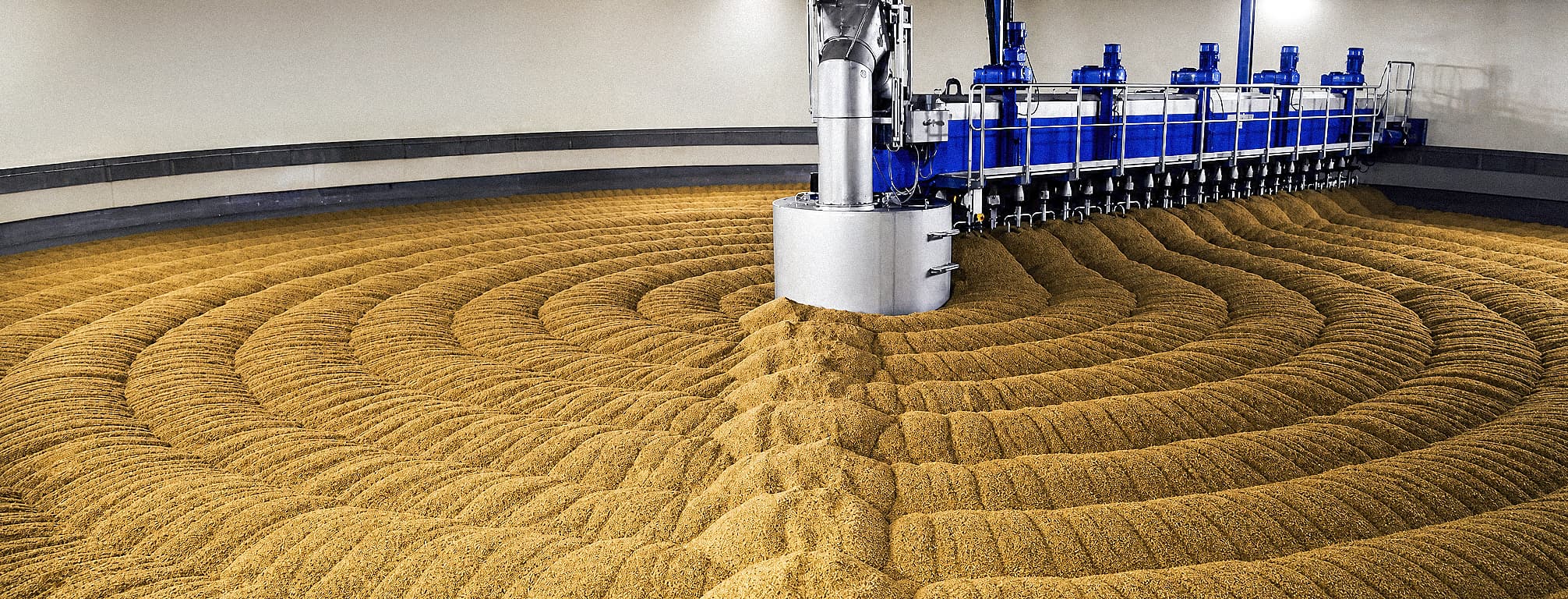
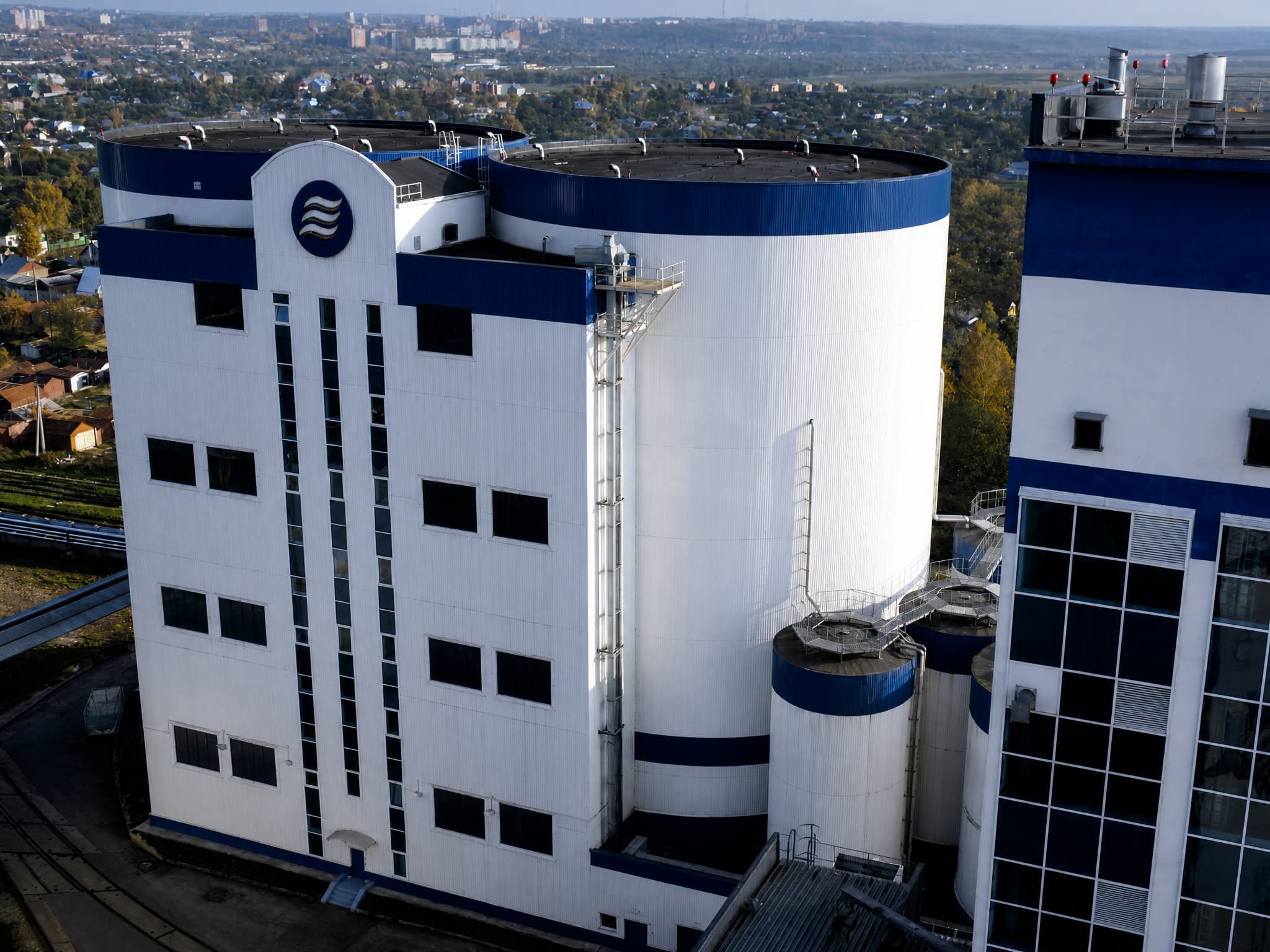
Tula Malt House
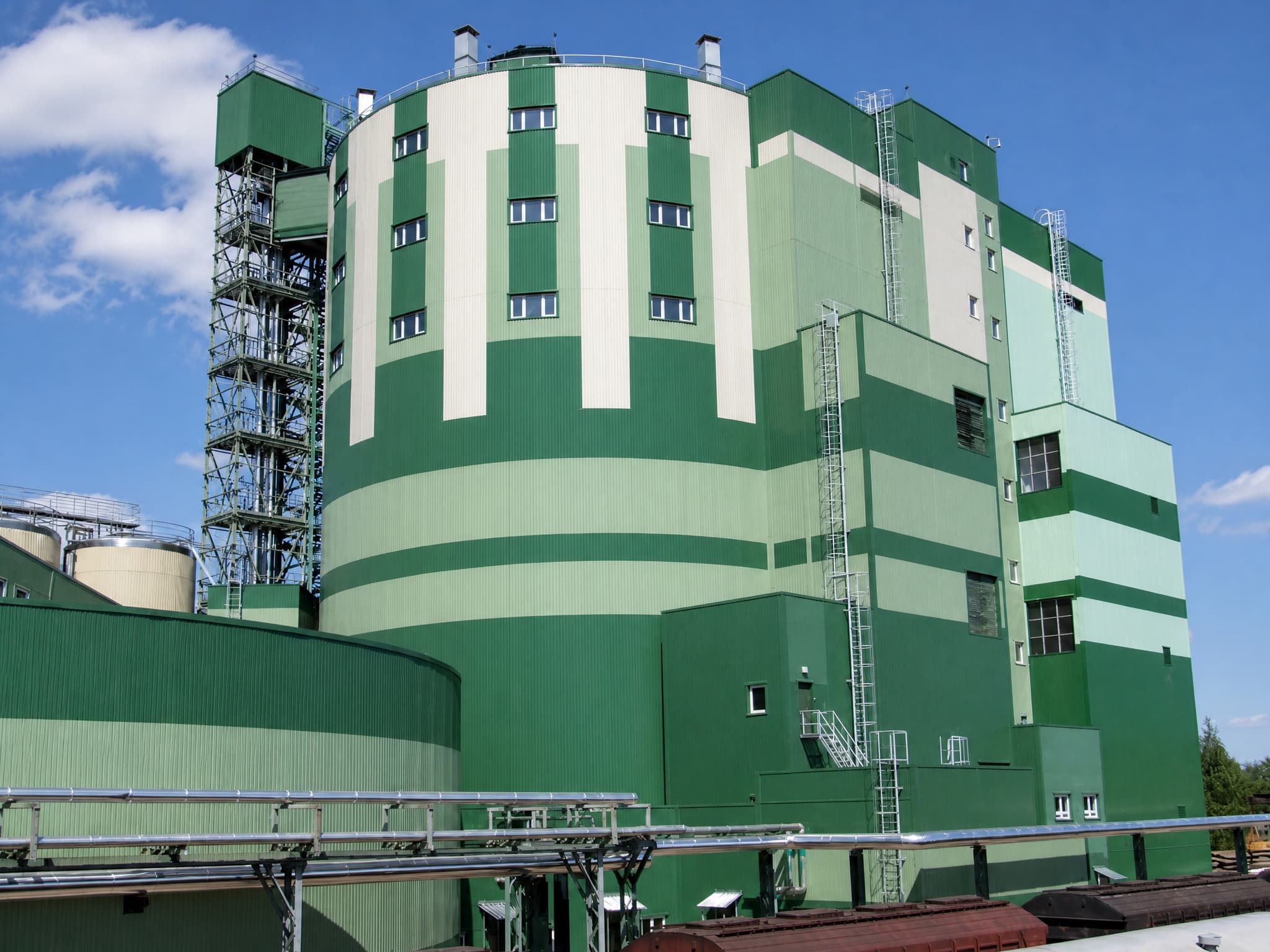
Yaroslavl Malt House
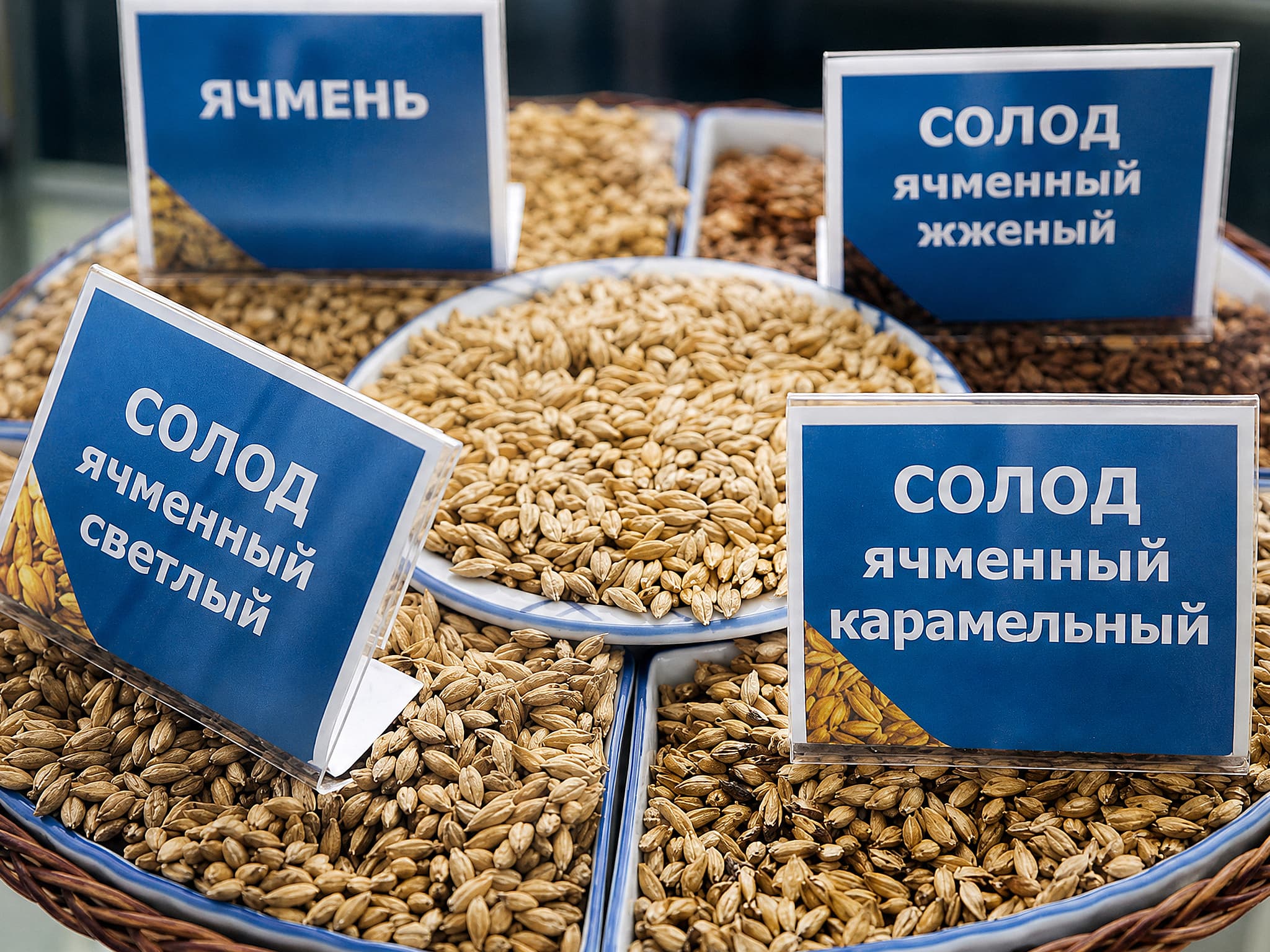
Our specialists use the traditional malting process, which includes steeping, germination, and carefully controlled kiln drying.
Malt is produced with consideration for the brewing process, production equipment, and grist composition. Its characteristics can be tailored to meet specific brewing requirements and product profiles.
A key component of Baltika's agricultural program is its advanced malt laboratories, where malt is evaluated against 34 quality parameters, including viscosity, grain vitreosity, wort color after boiling, the Kolbach Index, and many others.
Hop Growing Program
Baltika is actively contributing to Russia's hop import substitution efforts by investing in its own hop cultivation program.
In the Altai Republic, Baltika works with a hop-growing farm in the Mayminsky District. The company has also signed an agreement with the Altai Biotechnology Center at Altai State University, under which its partner hop farms will receive several thousand hop seedlings annually.
60 hectares
Total farm area
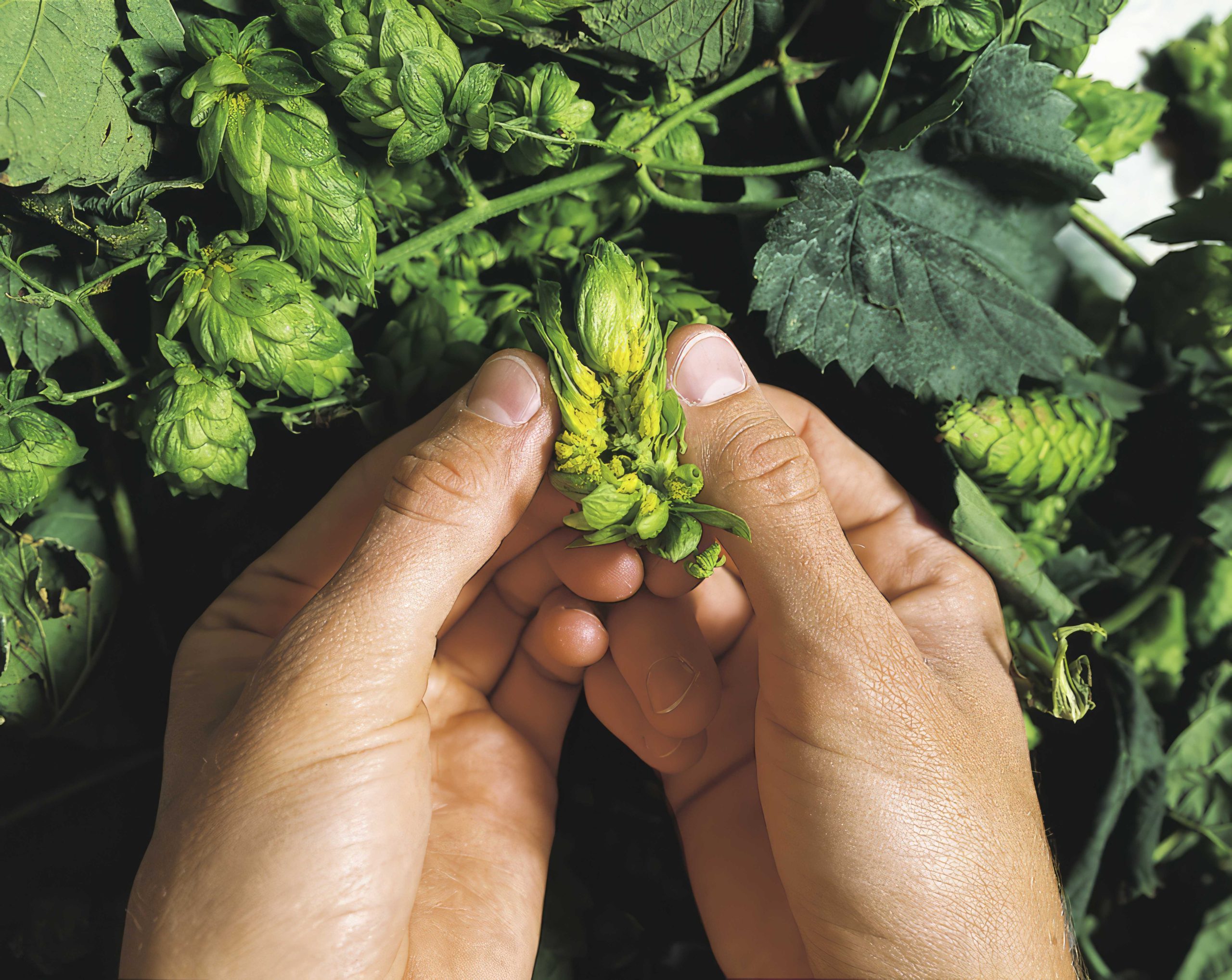
In 2023, Baltika signed an agreement with the Chuvash Republic on cooperation in the field of hop growing. In 2024, the company acquired an operating farm with an area of 22 ha, planted new hop fields across 38 ha, signed a contract for the supply of the first industrial complex for drying and harvesting hops, and launched a deep hop processing facility at one of its plants. Baltika is also implementing a training programme for hop-growing specialists at the Chuvash State Agrarian University.
Satellite Crop Monitoring
Since 2020, Baltika's agricultural program has incorporated satellite-based remote sensing to monitor crop development.
Satellite imagery captured in dedicated spectral ranges enables specialists to assess photosynthesis intensity and monitor crop health across every field every 7–10 days, providing valuable insights into barley development throughout the growing season.

Reducing the Carbon Footprint of the Agricultural Program
Working together with farmers, Baltika's agricultural specialists continuously reduce CO₂ emissions associated with barley cultivation and malt production.
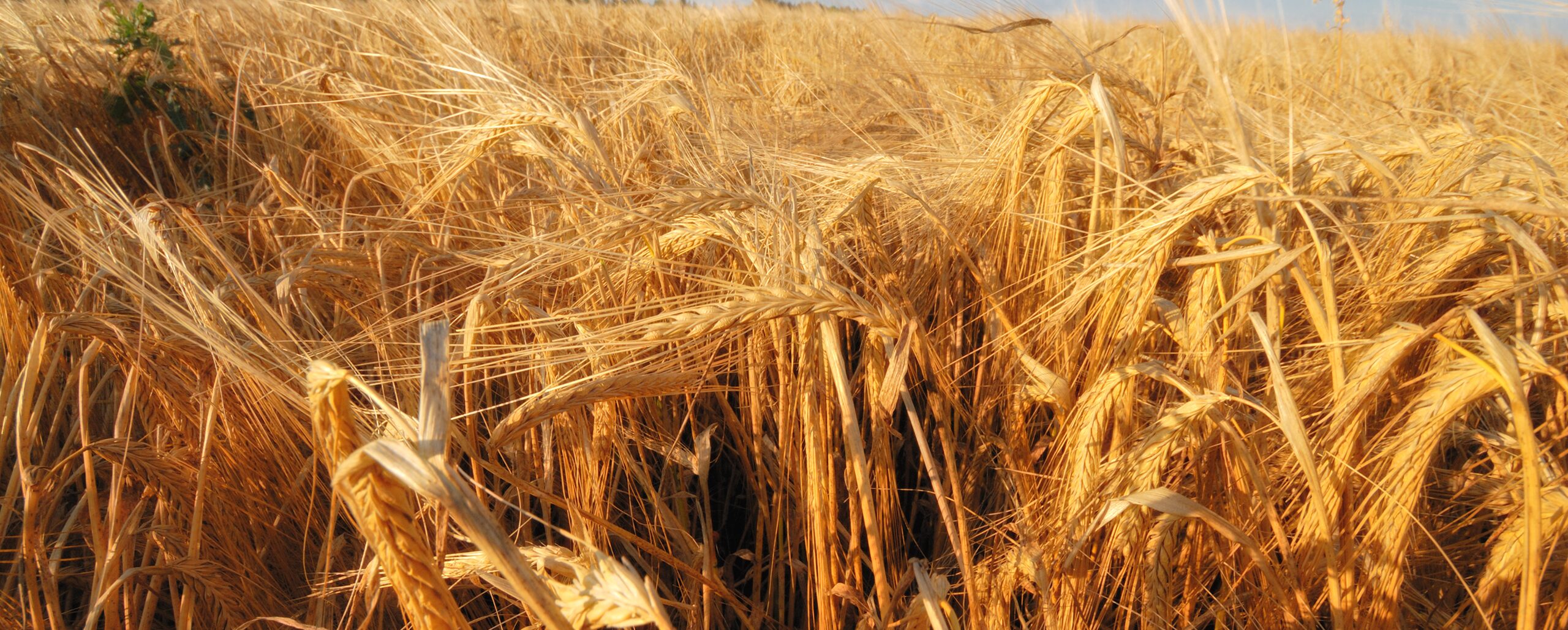
This is achieved by optimizing fertilizer application based on soil analysis, implementing minimum- and zero-tillage farming practices, using satellite technologies to monitor crop conditions, and reducing logistics-related emissions through partnerships with farms located close to the Company's breweries and malt houses.
Field Day
The annual Field Day is held in the Kurkinsky District of the Tula Region. This area plays a key role in the Company's agricultural program owing to its fertile soils, favorable rainfall conditions, and close proximity to Baltika's malt production facilities.
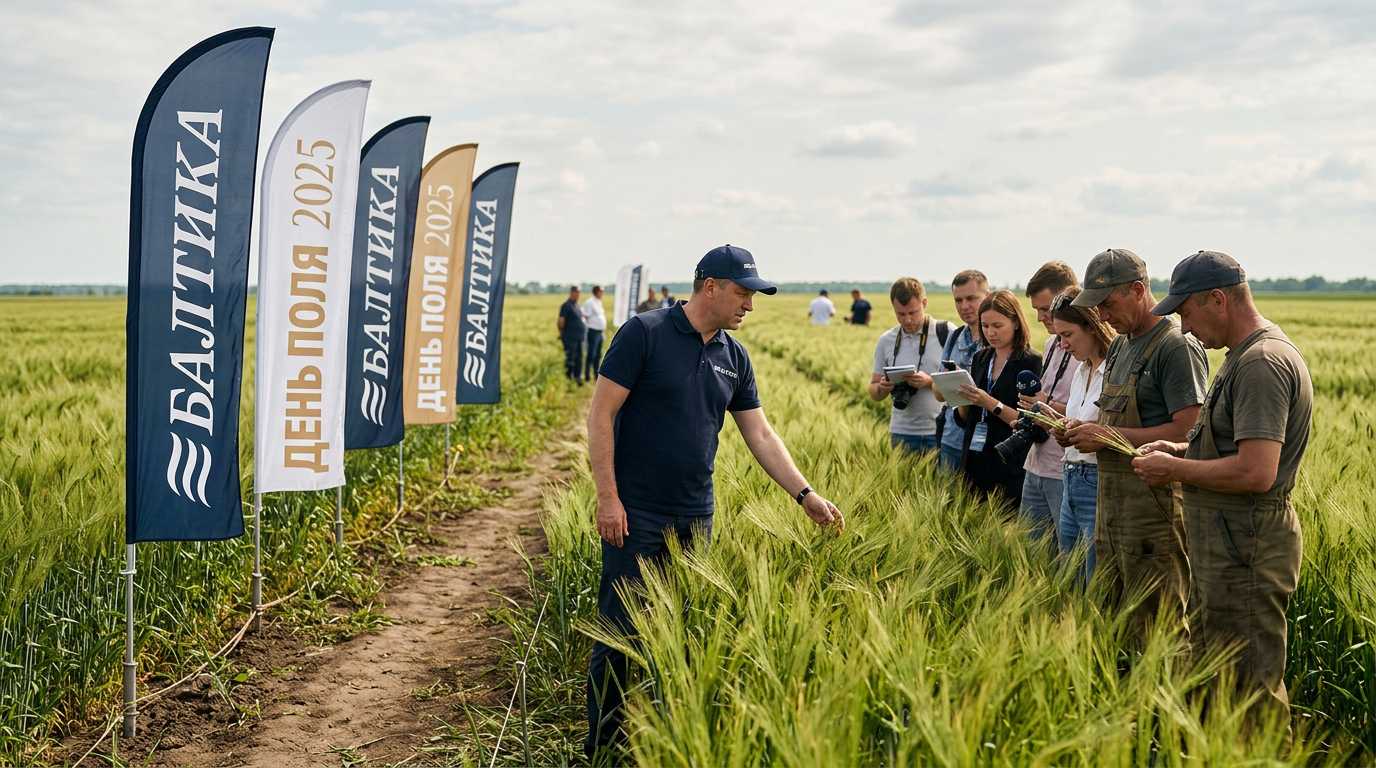
The main part of the event takes place at the Company's experimental fields, where agricultural specialists evaluate promising malting barley varieties listed in the State Register, cultivation technologies, and crop protection products developed by leading manufacturers.
Field Day brings together farmers, agricultural producers, and farm managers to exchange expertise on new farming technologies, malting barley cultivation practices, crop protection solutions, fertilizers, and the latest barley varieties.

