


Tasting & Storage Tips
Different beer styles require different serving approaches, as their aroma, flavor, and appearance vary significantly.
Main Beer Styles
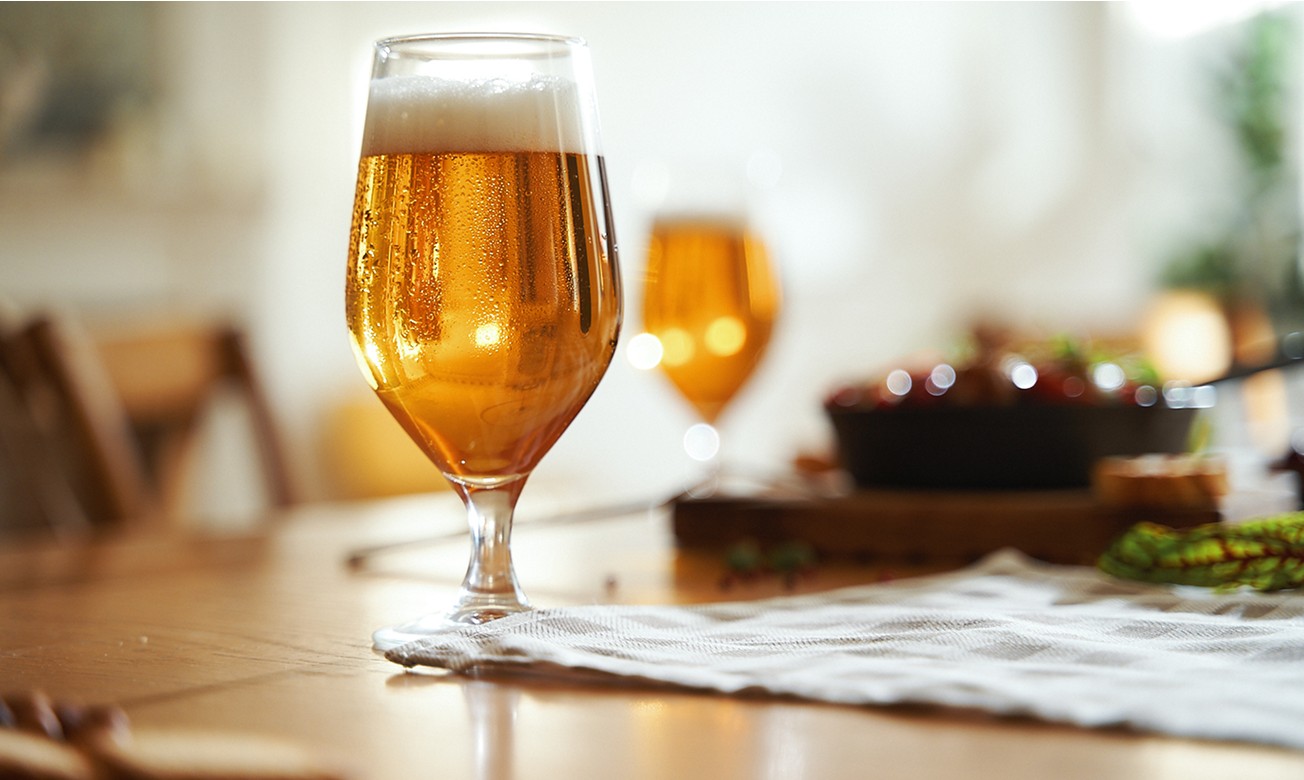
Lagers
Pilsner
Helles
Color:
Golden yellow, straw yellow, or light amber.
Aroma:
Clean, hoppy, and malty, with subtle notes of fresh bread and fruit (such as apple and pear).
Flavor:
Clean and refreshing, with bitterness that varies by style, Pilsners are more hop-forward, while Helles is softer and maltier.
Pale Ales & IPAs
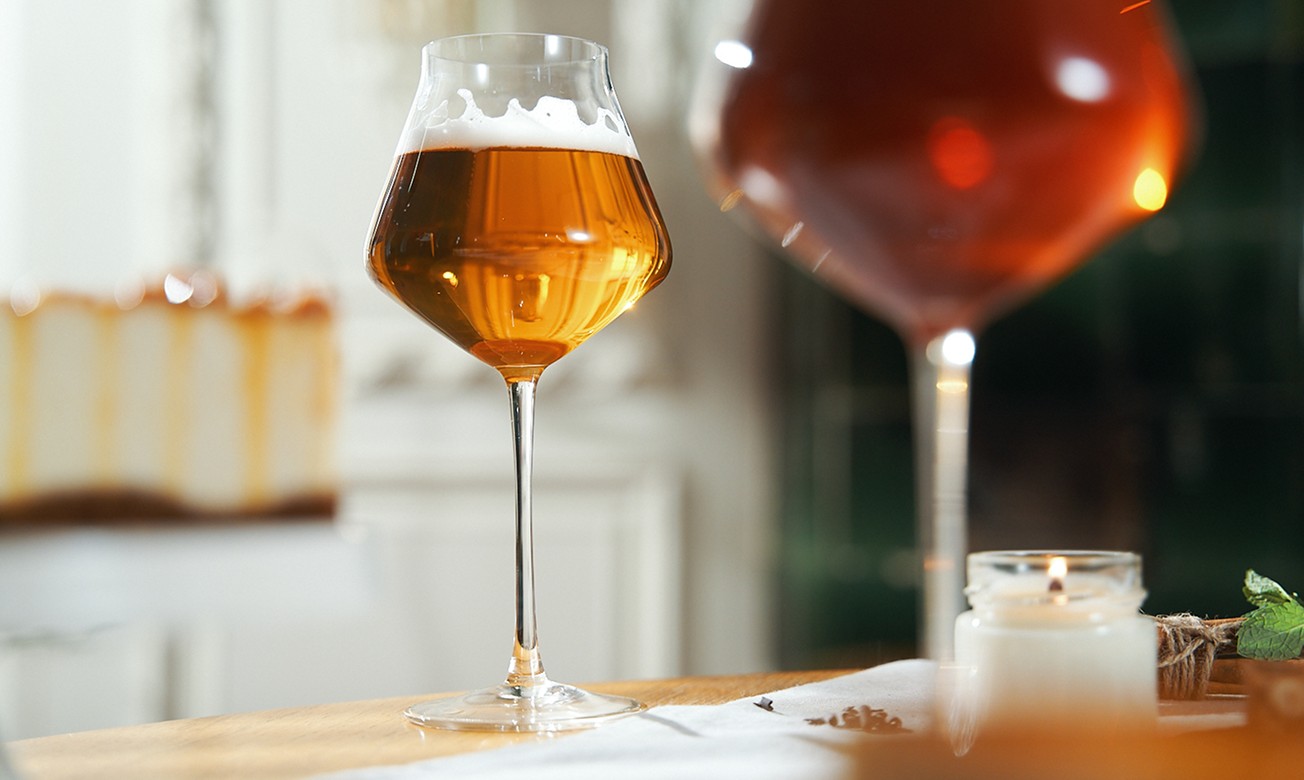
Pale Ale
IPA
Color:
Golden yellow, copper-red, or amber.
Aroma:
Rich hop character with fruity and floral aromas, complemented by notes of citrus, caramel, and fresh bread.
Flavor:
Well balanced, featuring pronounced hop bitterness with fruity and floral notes.
Wheat Beers
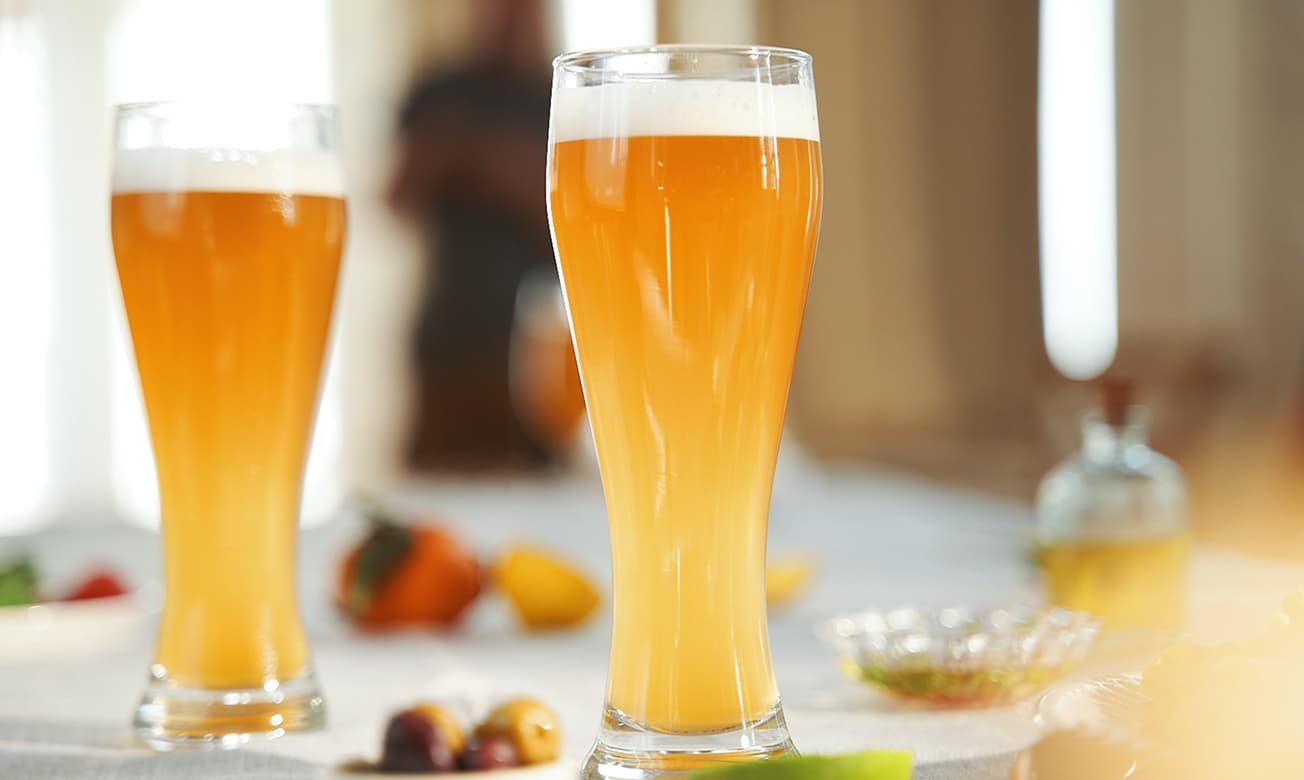
Wheat Beer
Hefeweizen
Witbier
Blanche
Berliner Weisse
Color:
Pale yellow and naturally cloudy due to suspended yeast.
Aroma:
Fruity, with notes of banana, clove, and citrus.
Flavor:
Fresh and light, with delicate acidity, fruity notes, and virtually no bitterness.
Porters & Stouts
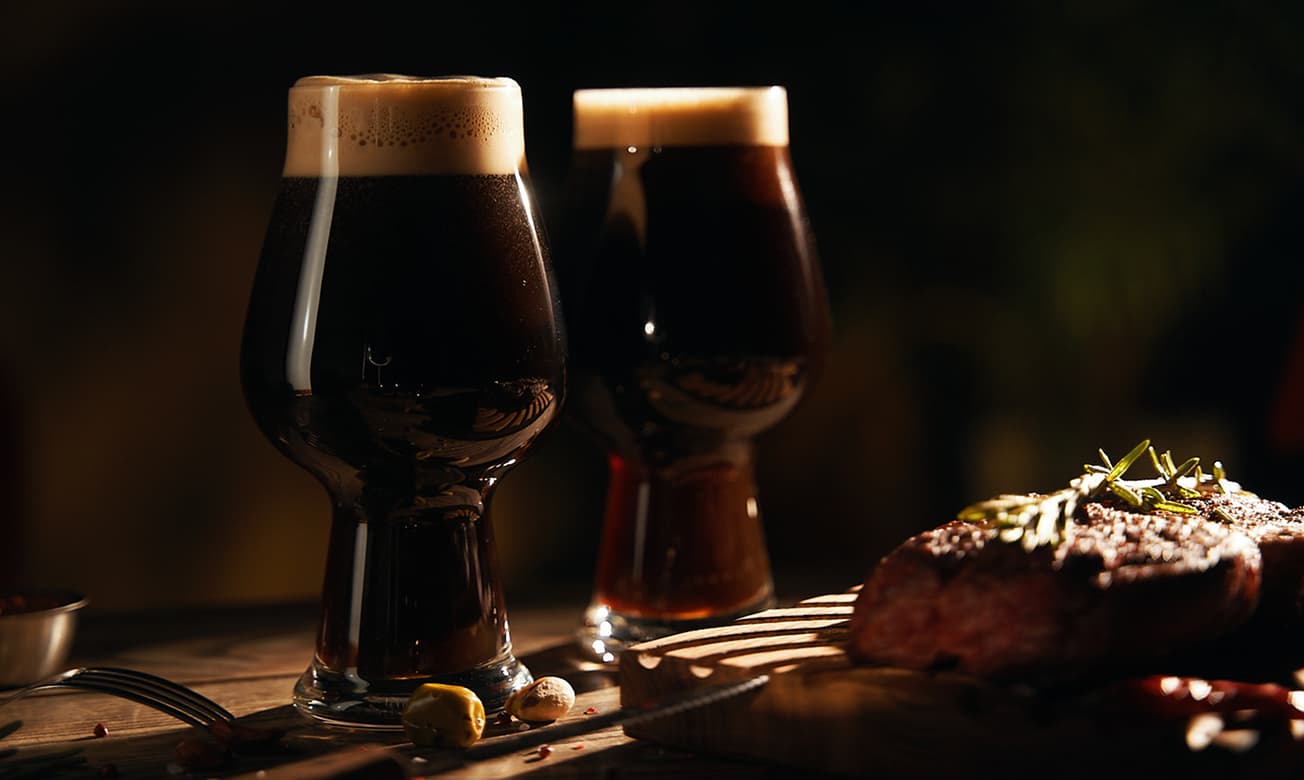
Porter
Stout
Color:
From light brown to dark brown and even black.
Aroma:
Rich chocolate, coffee, and caramel notes with hints of toasted bread and spice.
Flavor:
Full-bodied, with gentle sweetness, a pleasantly bitter finish, and distinctive chocolate and coffee notes.
How to Assess Beer Quality
Evaluate the beer visually by observing its color, clarity, and foam, then smell it, take a small sip, and assess its flavor.
Lagers

Lagers
Foam:
Abundant, creamy, with fine bubbles.
Clarity:
Clear, bright beer with a stable head free from sediment or foreign particles not characteristic of the style. During storage, the appearance of protein-polyphenol particles is acceptable.
Signs of Poor Quality:
Dull color, haze with excessive sediment, unstable foam, lack of aroma, harsh bitterness, or unpleasant odors.
Pale Ale
Pale Ale
Foam:
Abundant, creamy, with fine bubbles.
Clarity:
Clear, bright beer with a stable head free from sediment or foreign particles not characteristic of the style. During storage, the appearance of protein-polyphenol particles is acceptable.
Signs of Poor Quality:
Unpleasant aroma, weak hop character, lack of fruity notes, atypical bitterness, or excessive acidity.
Wheat Beer
Wheat Beer
Foam:
Dense, creamy, with fine bubbles.
Clarity:
Naturally cloudy. Wheat beers may exhibit light to pronounced opalescence.
Signs of Poor Quality:
Lack of natural haze, absence of fruity aromas, insufficient acidity, harsh aroma, or an unpleasant aftertaste.
Porters & Stouts
Porters & Stouts
Foam:
Abundant, creamy brown foam with fine bubbles.
Clarity:
Opaque, with slight natural haze resulting from the use of dark malts.
Signs of Poor Quality:
Lack of characteristic chocolate, coffee, or caramel aromas, weak flavor, harsh bitterness, unpleasant aftertaste, or a thin body lacking richness and fullness.
Beer Culture
Choosing the Right Beer Glassware
Every beer style is best enjoyed in glassware designed to enhance its aroma, flavor, and overall character.
Lagers
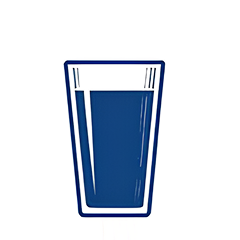
Pint Glass
A versatile choice for both ales and lagers.
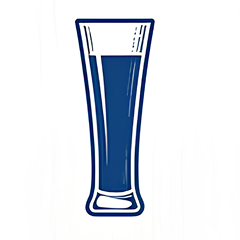
Pilsner Glass
Designed for pilsners and other pale lagers. Its tall, tapered shape showcases the beer's color while helping to maintain a lasting foam head.
Ales
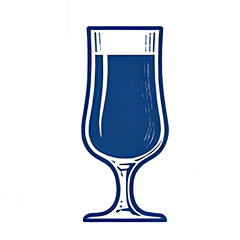
Tulip Glass
Ideal for aromatic and stronger beer styles. Its shape captures aromas while promoting excellent head retention.
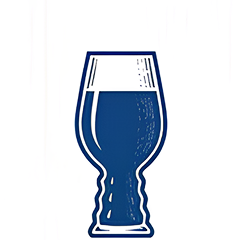
IPA Glass
The wide upper section helps retain volatile aromatic compounds, allowing the tropical, fruity, and resinous hop aromas characteristic of IPAs to fully develop.
Porters & Stouts
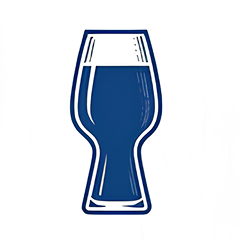
Stout Glass
Designed for dark ales. Its distinctive base helps preserve carbonation, while the wider bowl enhances the beer's rich aroma.
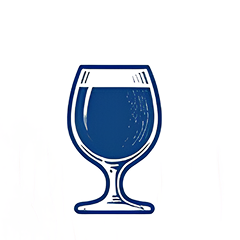
Snifter
Originally designed for strong spirits, the inward-curving bowl traps aromatic compounds as the beer gently warms in the hand, making it ideal for strong and aromatic beers.
Wheat Beers
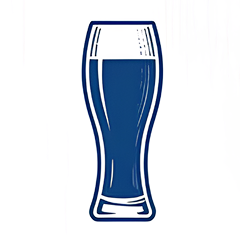
Weizen Glass
Tall and slender with a flared rim, designed to showcase the characteristic foam and aroma of wheat beers.
Goblet
Well suited to fresh, floral, and fruit-forward beer styles. Its elegant elongated shape highlights delicate fruity aromas.
Beer Serving Temperature
Lower serving temperatures are best suited to lighter beer styles, preserving their refreshing character and thirst-quenching qualities. Dark beers are best served at 10–13°C, as they are fuller-bodied and contain less pronounced carbonation. Strong beers are often enjoyed as warming or dessert beers and are therefore best served at room temperature.
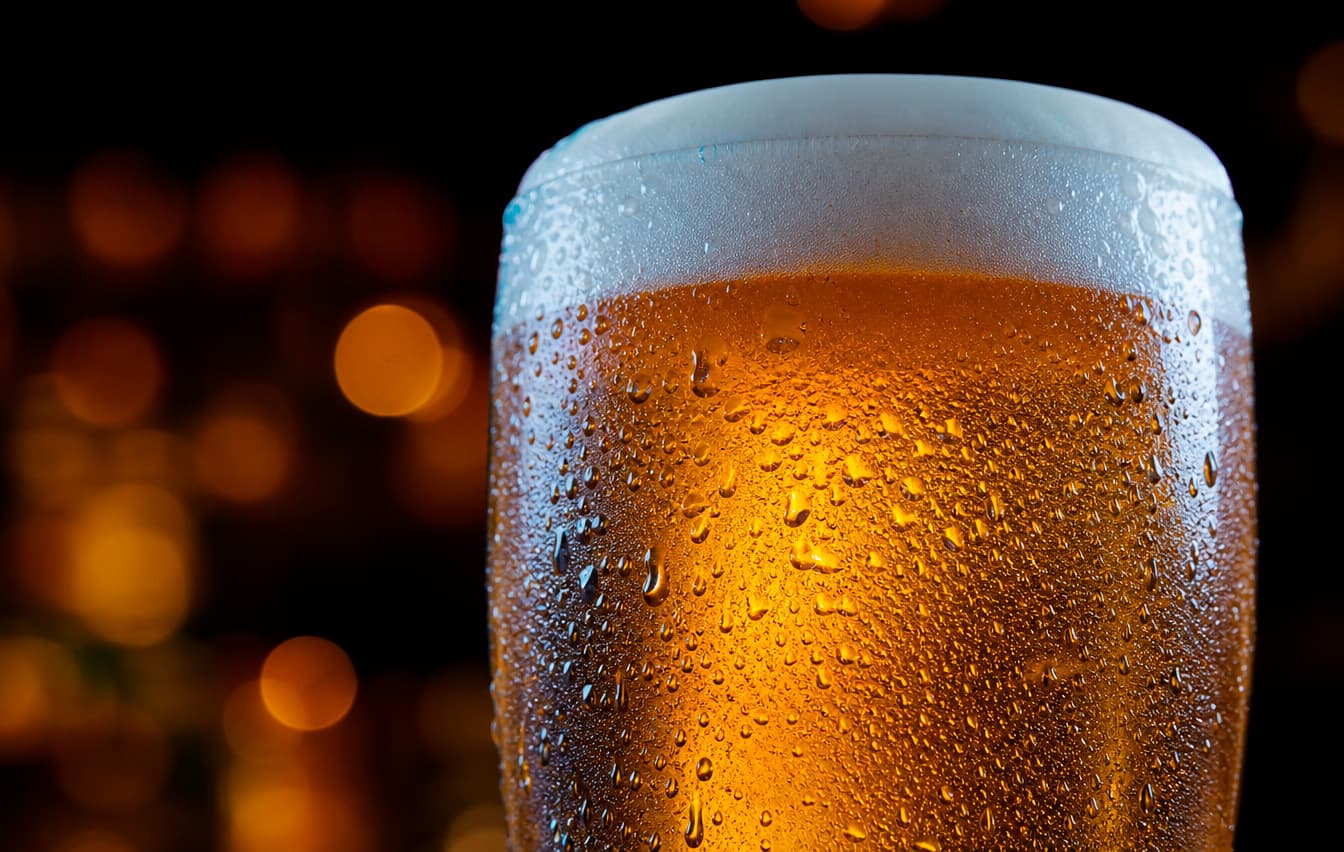
4–7°C
Lagers
Lower temperatures preserve their crispness and refreshing character.
5–7°C
Wheat Beers
Slightly warmer temperatures help reveal their fruity and spicy aromas.
7–10°C
Ales & IPAs
A moderate serving temperature enhances hop aroma and flavor.
8–12°C
Stouts & Porters
The richer and stronger the beer, the warmer its ideal serving temperature.
Pouring Beer
Pouring beer is an art and one of the fundamentals of brewing culture. Beyond influencing the beer's appearance and aroma, a well-executed pour enhances the overall drinking experience.
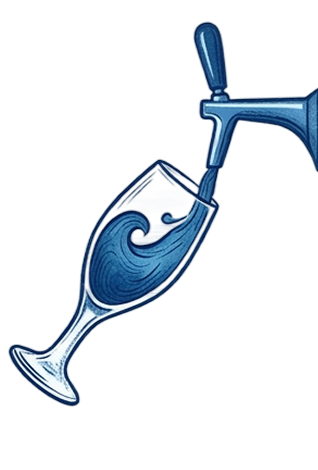
Choose a clean, dry, and chilled glass free from detergent residue or grease. Any contamination, such as traces of beer, soap, or dust, can interfere with proper pouring, foam formation, and ultimately the beer's flavor and aroma. Hold the glass by its base and tilt it to approximately 45°.
01
Pour the beer slowly down the inside of the glass to minimize excessive foam, gradually straightening the glass as it fills.
For wheat beers and other unfiltered styles, leave a small amount of yeast sediment in the bottle. Swirl the remaining third of the beer to suspend the yeast, then pour it into the glass to create a stable, rounded foam head.
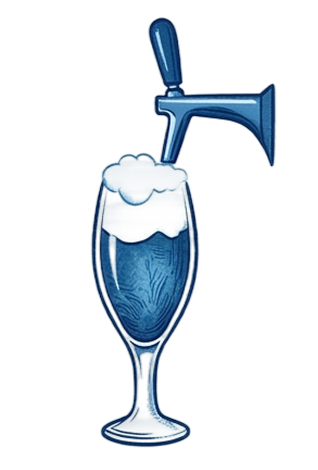
02
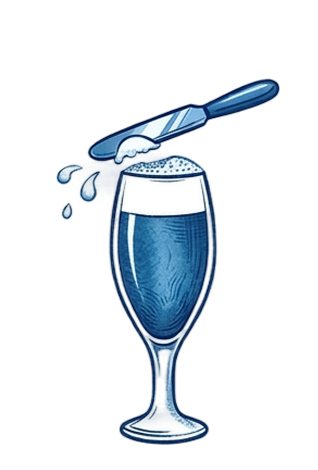
Fill the glass until the foam just rises above the rim. This creamy top is often referred to as the "cream head." If you have a foam knife, carefully trim away any excess foam at a 45-degree angle.
03
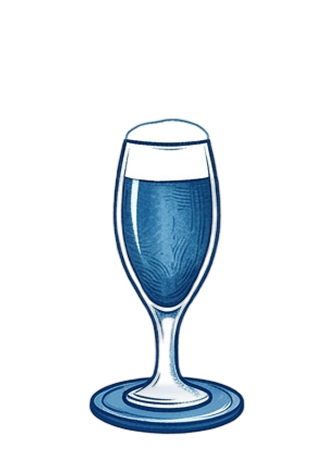
Beer should be served on a coaster.
04
Serving Etiquette
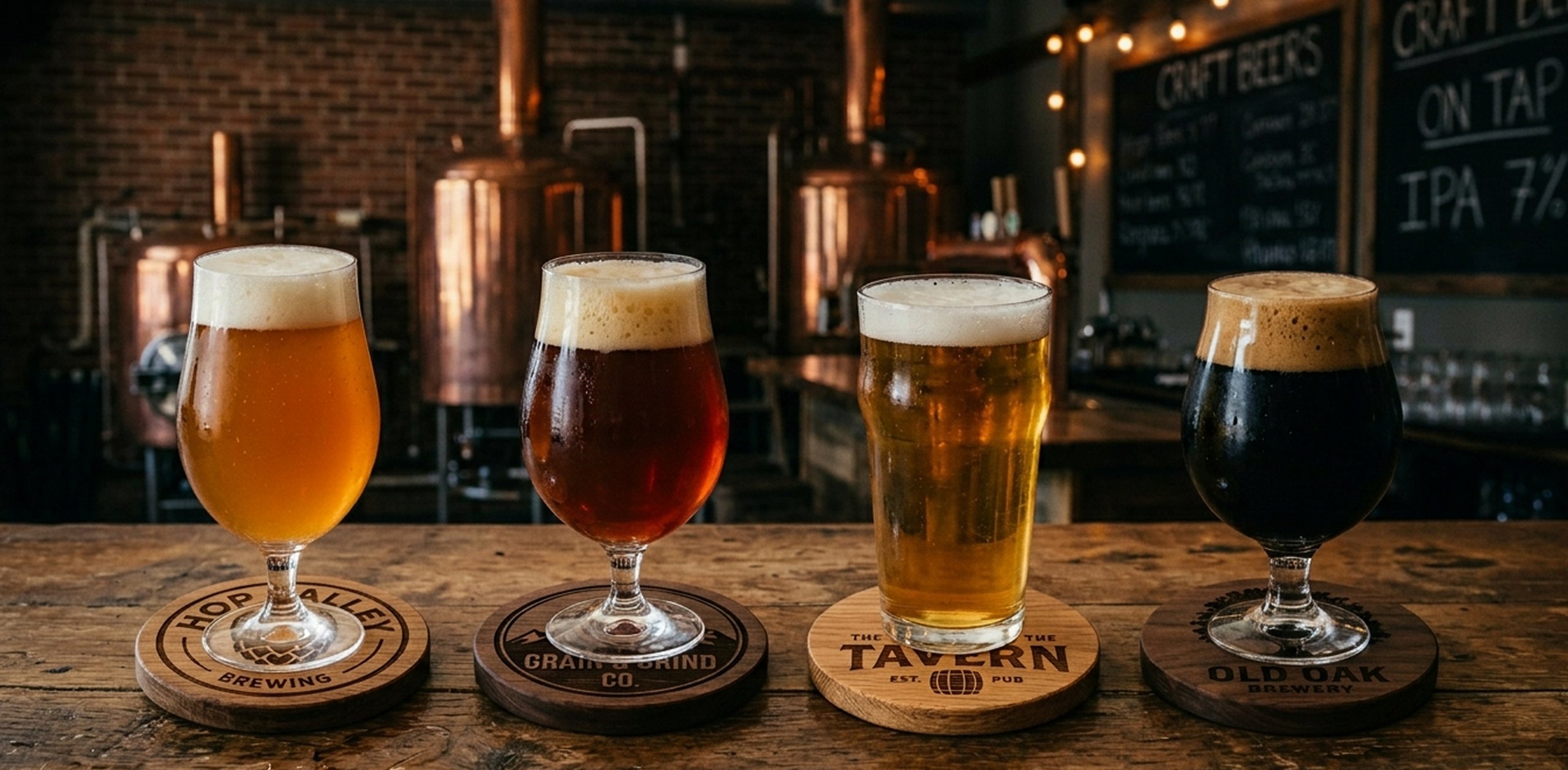
Bierdeckel (Beer Mat)
Originating in 18th-century Germany as a lid for beer mugs, the bierdeckel later evolved into the familiar beer coaster. Traditionally made from absorbent cardboard, it protects tabletops from condensation and spills and remains an essential part of beer culture in pubs and restaurants.
Coaster
A reusable coaster made from durable materials such as wood, ceramic, or plastic. Unlike a traditional beer mat, it withstands high temperatures and is suitable for both hot and cold beverages. Thanks to its durability, it is commonly used at home and is also popular as a souvenir or collectible.

